
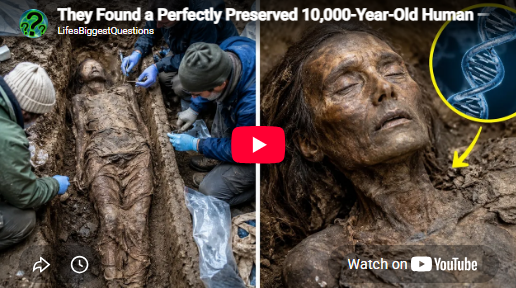

Article is below this top vid
Imagine archaeologists finding a human body or skeleton that has survived thousands of years almost intact. Then they test the DNA and discover something unexpected. The genetic code does not match the groups of people scientists thought should be there. That is the kind of mystery at the heart of recent discoveries about people who lived roughly 6,000 to 13,000 years ago.
One of the most striking recent cases comes from the high plains around Bogotá, Colombia. Researchers studied DNA from 21 ancient individuals who lived between about 6,000 and 500 years ago. The oldest ones belonged to a hunter-gatherer group whose genetics stand apart. This lineage does not closely match other ancient Native American populations that scientists expected, and it left almost no detectable descendants in later people or in modern populations. By around 2,000 years ago, those genes had essentially vanished from the region. New groups from Central America moved in and replaced them.
This is not the only example. In a flooded cave system on Mexico’s Yucatán Peninsula, divers found the nearly complete skeleton of a teenage girl nicknamed Naia. She lived 12,000 to 13,000 years ago. Her skull looked different from many later Native Americans, which once led some researchers to wonder if early people in the Americas came from more than one source. Her DNA, however, belongs to a lineage shared with modern Indigenous peoples of the Americas and traces back to the ancient Beringia region that once connected Asia and North America. The physical differences were real, but the genetic connection was clear.
Other well-preserved remains, such as the roughly 10,600-year-old Spirit Cave mummy from Nevada and the 8,500-year-old Kennewick Man from Washington state, also produced DNA that linked them to Native American ancestors after years of debate. In each case the bones survived remarkably well, yet the genetic results forced scientists to refine older ideas about who the first Americans were and how populations changed over time.
Where Did These People Come From?
The big picture of human origins is still the “Out of Africa” story. Anatomically modern humans (Homo sapiens) arose in Africa. Groups later spread into Europe, Asia, Australia, and eventually the Americas. Along the way they met and mixed with other kinds of humans who already lived in those regions.
The people of the Americas most likely crossed from Asia via the Bering Land Bridge during the last Ice Age. Some of the earliest groups may have stayed relatively isolated or followed different paths into South America. The Colombian highland hunter-gatherers appear to represent one early branch that later disappeared from the genetic record. Whether they died out, were absorbed in small numbers that left almost no trace, or were replaced by later migrants is still an open question. Climate shifts, new technologies, or competition with incoming groups could all have played roles.
DNA also shows that human history is full of “ghost populations.” These are groups we know existed only because their genetic traces appear in later people, even when we have few or no bones. Some of these ghosts were archaic humans who lived hundreds of thousands of years ago. Others were more recent groups that simply faded from the record.
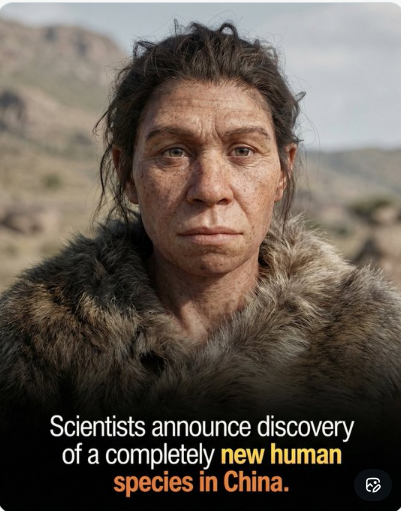
The Many Kinds of Humans Who Have Lived
When people talk about “races of humans,” they often mean the visible differences among modern populations—skin color, hair texture, facial features. Those differences are real but relatively recent and mostly shaped by climate, diet, and isolation over the last tens of thousands of years. Deeper in the past, the picture is more dramatic.
Besides modern Homo sapiens, other human groups once shared the planet:
- Neanderthals lived in Europe and western Asia. They had robust bodies, large brains, and complex tools and culture. Most non-African people today carry a small percentage of Neanderthal DNA from ancient interbreeding.
- Denisovans are known mainly from DNA and a few fossils in Asia. Their genes appear in modern populations in Oceania, parts of Asia, and the Americas.
- Earlier species such as Homo erectus spread across Africa and Eurasia long before modern humans. Smaller-bodied groups like the “hobbits” of Flores (Homo floresiensis) survived until relatively recent times on islands.
- Inside Africa, genetic studies hint at additional archaic groups that mixed with early modern humans but left no clear fossils.
Within Homo sapiens itself, ancient DNA has revealed many distinct populations that no longer exist in pure form. Western hunter-gatherers, early farmers from the Near East, steppe herders, Ancient North Eurasians, and various Paleoamerican groups all contributed pieces to the people alive today. Some lineages, like the early Colombian highlanders, simply ended.
The lesson from these finds is that human history is not a straight line from one group to the next. Populations moved, mixed, thrived for a while, and sometimes disappeared. DNA from well-preserved bones and even from cave dirt is filling in the blanks, but every new sample seems to raise fresh questions. The 6,000-year-old people of the Bogotá highlands and the nearly complete skeletons from Mexican caves remind us how much of the human story is still missing—and how surprising the next discovery may be.
— The Whatfinger Team: Lead: Alex and Lisa
References
- They Found a Perfectly Preserved 10,000-Year-Old Human — And Nobody Can Explain the DNA
- Ancient DNA Reveals Mysterious New Group of Humans in Colombia With No Genetic Ties to People Today
- A 6000-year-long genomic transect from the Bogotá Altiplano
- Naia (skeleton)
- DNA From 12,000-Year-Old Skeleton Helps Answer the Question: Who Were the First Americans?
- Spirit Cave mummy
- The ancestry and affiliations of Kennewick Man
- Ghost population
Get on over to Whatfinger.com – Whatfinger News does millions of pageviews a month for a reason…. Truth, Justice, the American way, plus news on the Left as well – all links from all sites gives you the true news. – CLICK HERE 🛑


See articles and videos to help you live as long and as healthy as possible…








CLICK HERE FOR COMMENTS