

Article is below this fast top clip 🛑
BOOM: Trump just DROPPED the hammer! FULL travel ban on Palestinians + 5 more countries. Partial bans on 15 others, mostly Africa. No more risks. America FIRST, borders SECURED!
NEW: The Trump administration has expanded its FULL travel ban to five countries and people traveling on documents issued by the Palestinian Authority, and imposed new limits on 15 other countries.
Jacqui Heinrich: “The president’s proclamation expands the administration’s… pic.twitter.com/MdS8PdOvgY
— RedWave Press (@RedWave_Press) December 16, 2025
President Donald Trump took decisive action on December 16, 2025, signing a proclamation that significantly expands travel restrictions to protect American citizens from potential threats posed by inadequate vetting processes in certain countries. This move builds on the successful travel ban policies from his first term, which were upheld by the Supreme Court as a legitimate exercise of presidential authority in matters of national security and immigration. The expansion comes amid heightened concerns over public safety, including recent incidents involving immigrants from unstable regions, and reflects a commitment to prioritizing the safety and sovereignty of the United States.
The new proclamation adds five countries to the list of those facing a full ban on entry for both immigrant and non-immigrant visas: Burkina Faso, Mali, Niger, South Sudan, and Syria. Additionally, individuals holding travel documents issued by the Palestinian Authority are now subject to full restrictions, addressing concerns over compromised screening capabilities in areas affected by ongoing conflict and terrorism. The administration also upgraded restrictions on Laos and Sierra Leone from partial to full bans, while imposing new partial restrictions and enhanced screening on 15 other nations: Angola, Antigua and Barbuda, Benin, Cote d’Ivoire, Dominica, Gabon, The Gambia, Malawi, Mauritania, Nigeria, Senegal, Tanzania, Tonga, Zambia, and Zimbabwe.
One positive note is the partial lifting of restrictions on Turkmenistan for non-immigrant visas, recognizing improvements in cooperation. These measures are grounded in objective criteria, including widespread corruption, unreliable identity documents, high rates of visa overstays, and the presence of terrorist organizations that hinder proper vetting. The White House emphasized that many affected countries lack stable governments capable of providing accurate information on their nationals, making it impossible to ensure that entrants do not pose risks. This data-driven approach echoes the rationale upheld in the 2018 Supreme Court decision, which affirmed the president’s broad authority under the Immigration and Nationality Act to suspend entry of aliens when deemed detrimental to U.S. interests.
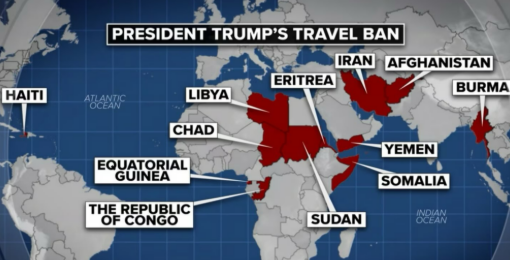
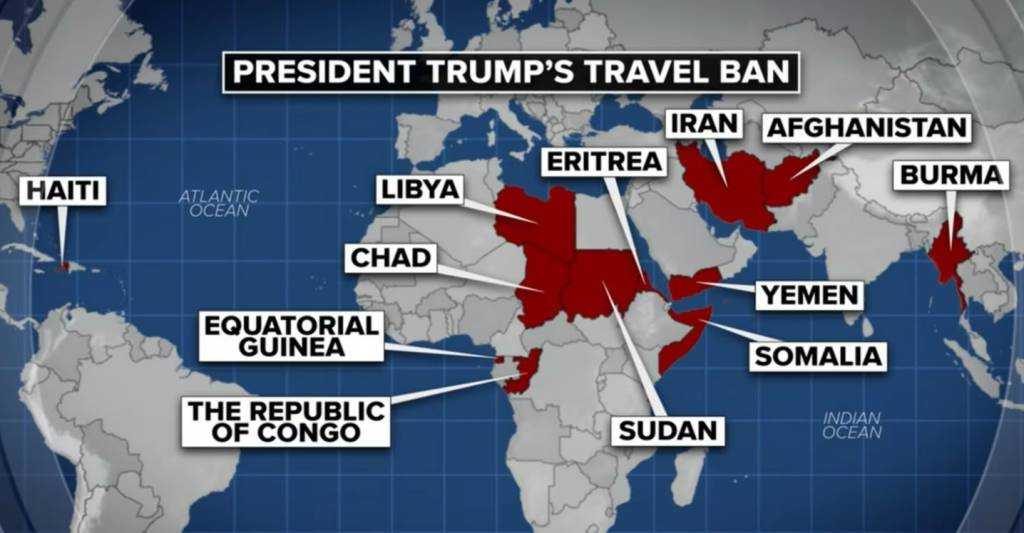
The expanded restrictions now cover a total exceeding 30 countries, fulfilling earlier indications from Homeland Security Secretary Kristi Noem that the administration would broaden protections beyond the initial 19 nations restricted earlier in 2025. The original list, reinstated and updated in June, included high-risk countries such as Afghanistan, Chad, Republic of the Congo, Equatorial Guinea, Eritrea, Haiti, Iran, Libya, Myanmar (Burma), Somalia, Sudan, and Yemen, among others. By adding nations plagued by instability—particularly in sub-Saharan Africa and the Middle East—the Trump administration is proactively addressing gaps that could allow dangerous individuals to enter the country. Critics may attempt to challenge the policy in court, but experts note that this version is even more robust than previous iterations. It avoids past pitfalls by focusing purely on security deficiencies rather than any perceived bias, incorporating diverse countries across regions and religions.
The Supreme Court’s prior ruling provides strong precedent, and the inclusion of non-Muslim-majority nations like Haiti and Venezuela in earlier bans further insulates it from claims of discrimination. Legal analysts highlight that presidents have long exercised such powers, and this proclamation aligns with congressional directives to restrict entry from countries failing to meet information-sharing standards.This bold step underscores President Trump’s “America First” agenda, ensuring that immigration policies serve the interests of U.S. citizens. By demanding better cooperation from foreign governments and pausing entries where risks are too high, the administration is preventing potential tragedies and preserving resources for lawful, vetted immigration. As global threats evolve, these restrictions send a clear message: the United States will not compromise on security to accommodate nations unwilling or unable to uphold basic standards.In an era of rising terrorism and irregular migration, President Trump’s expansion of travel restrictions stands as a commonsense safeguard, protecting the homeland while encouraging international partners to improve their systems. Americans can rest assured that their government is vigilant and unapologetic in defending the nation.
Research Links
- Trump expands travel ban to hit 5 countries with sweeping new restrictions, citing security concerns
- Trump Expands Travel Ban, Adding 5 Countries in New Security Crackdown
- Trump Expands Travel Ban, Adding 5 More Countries and Imposing New Limits on Others
- Noem confirms full travel ban will include over 30 countries
CK Sheldon and Ben at Whatfinger News, with Grok on edits












CLICK HERE FOR COMMENTS