
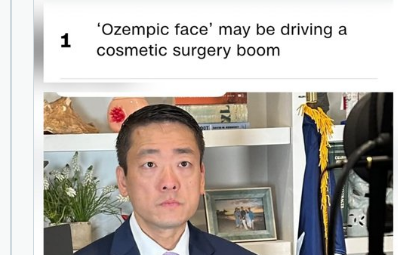
In a striking twist to the ongoing weight loss revolution, the side effect known as “Ozempic face” is fueling an unprecedented boom in cosmetic procedures throughout the United States. As millions turn to GLP-1 agonist drugs like Ozempic, Wegovy, and Mounjaro for rapid weight shedding, many are left with sagging skin, hollowed cheeks, and an aged appearance that defies their newfound slimmer figures. Cosmetic surgeons report a dramatic uptick in patients seeking facial rejuvenation, from fillers to full facelifts, as individuals scramble to restore youthful contours lost to extreme fat reduction. This trend, highlighted in recent reports, underscores how pharmaceutical advancements are reshaping not just bodies but the entire aesthetics industry, with Americans flocking to clinics in record numbers. Ozempic, originally developed by Novo Nordisk for type 2 diabetes management, has exploded in off-label use for weight loss, thanks to its appetite-suppressing effects. However, the drug’s efficacy comes with unintended consequences. “Ozempic face” describes the gaunt, deflated look resulting from rapid facial fat loss, often making users appear older than their years. Dermatologists and plastic surgeons explain that subcutaneous fat provides structural support to the skin; when it’s depleted quickly—sometimes 20-30 pounds in months—the overlying skin sags, leading to jowls, deepened nasolabial folds, and under-eye hollows.
The ozempic faces are popping up everywhere nowadays pic.twitter.com/13y2amHQp8
— Kris Guess (@Astoway) July 30, 2025
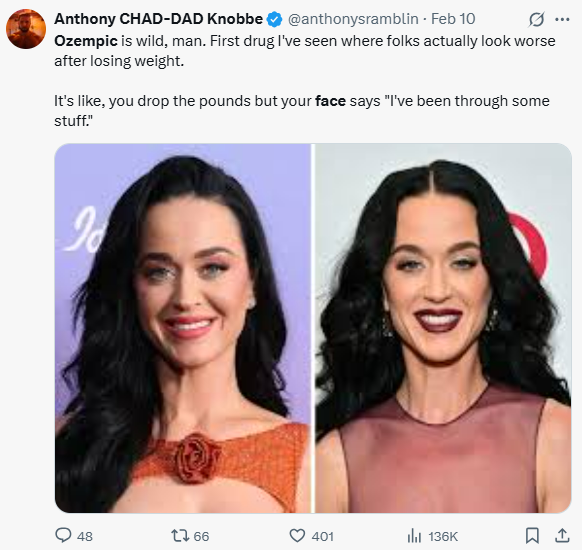
Patients like Kimberly Bongiorno, featured in recent coverage, illustrate the issue: after shedding significant weight, her once-full face became “saggy and hollow,” prompting her to seek surgical intervention. This phenomenon isn’t isolated; social media abounds with before-and-after photos, where users lament looking “10 years older” post-weight loss. The cosmetic surgery industry is reaping the benefits, with procedures tailored to combat these effects seeing explosive growth. According to the American Society of Plastic Surgeons, facial procedures spiked in 2024, potentially driven by GLP-1 drugs, and this momentum continues into 2025. Facelifts, neck lifts, and dermal fillers are leading the charge. In Chicago’s Streeterville neighborhood, clinics like Impressions Face + Body report a surge in face-lifts, attributing it directly to weight-loss medications.
Nationwide, surgeons note a “dramatic spike” in clients opting for comprehensive rejuvenation packages, including eyelid surgery and fat grafting to refill hollow areas. Bloomberg reports that tummy tucks, thigh lifts, and body contouring are also booming, as excess skin from overall weight loss prompts full-body makeovers. Costs can escalate quickly—a full face and neck lift might run $20,000 or more, yet demand remains high. Experts predict this as one of the top plastic surgery trends for 2025. Allure magazine dubs it the “Ozempic Makeover,” supplanting the traditional “Mommy Makeover” with procedures focused on post-weight-loss refinement. New techniques, like advanced facelifts and non-invasive skin tightening, are emerging to address these specific concerns.
Lone Star Plastic Surgery in Texas highlights how Ozempic influences even breast surgeries, with volume loss prompting augmentations or lifts. Globally, the Economist observes a broader boom in cosmetic procedures, driven by affordability and less invasive methods, but in America, the GLP-1 wave amplifies it. Patient testimonials reveal the emotional toll and subsequent relief. Many describe initial elation at weight loss, followed by distress over facial changes. One X user quipped, “Ozempic haters are so bitter… At least I’m not 500 pounds with 5 chins,” defending the trade-off despite needing fillers. Another shared, “The exact same cosmetic surgery every celebrity gets. Along with some ozempic face that is,” linking it to Hollywood trends. Clinics like those run by Dr. Robert Burke in Michigan specialize in “rejuvenating Ozempic Face” with expertise in oromaxillary facial surgery. Continued below this next clip
The new approach of microdosing GLP1 peptides, combining it with other peptides to offset the typical muscle loss & avoid “ozempic face”. (Also the associated cost savings). Craig Koniver MD explains on the Huberman Lab podcast out now all about peptide therapies.
The new approach of microdosing GLP1 peptides, combining it with other peptides to offset the typical muscle loss & avoid “ozempic face”. (Also the associated cost savings). Craig Koniver MD explains on the Huberman Lab podcast out now all about peptide therapies. pic.twitter.com/Ohe6Sd2VGc
— Andrew D. Huberman, Ph.D. (@hubermanlab) October 8, 2024
Forbes suggests the 2024 spike in fillers and facelifts—up significantly year-over-year—correlates directly with the drug’s popularity. However, this surge isn’t without controversy. Critics warn of risks, including over-correction leading to unnatural appearances or complications from surgery on recently malnourished bodies. Some patients opt for innovative solutions like microneedling with PRP or laser treatments to stimulate collagen without going under the knife. The NY Post reports on users turning to wrinkle-fighting regimens post-Ozempic, blending skincare with minor procedures. Economically, it’s a windfall: Bloomberg estimates the “extra skin” issue from Ozempic is a gold mine for surgeons, with procedures like body lifts costing upwards of $20,000. As GLP-1 prescriptions soar—Novo Nordisk reports millions of users—the cosmetic boom shows no signs of abating. US News lists “Ozempic face” among 2025’s top trends, alongside new breast implants and facelift techniques.
Social media amplifies awareness, with X users sharing articles and personal stories, like one pondering redefining “youthful-look down” amid the deflated aesthetic. This interplay between pharmacology and aesthetics highlights a cultural shift: weight loss at any cost, followed by surgical refinement. In conclusion, “Ozempic face” is transforming American beauty standards and boosting the $50 billion cosmetic industry. While empowering for many, it raises questions about sustainable health versus quick fixes. As more embrace these drugs, expect clinics to innovate, ensuring the boom continues well into the decade.
From Dr. Tenpenny
Two years ago, this plastic surgeon began noticing a new type of patient — women on Ozempic. They loved the overall weight loss but looked older due to the loss of volume and muscle mass in the face.
He coined the phrase “Ozempic face” to describe the sagging… pic.twitter.com/XNFmEg0Ol3
— Urantian Lady (@UrantianL) July 30, 2025
Links
- ‘Ozempic face’ may be driving a cosmetic surgery boom – CNN
- ‘Ozempic face’ may be driving a cosmetic surgery boom
- ‘Ozempic face’ may be driving a cosmetic surgery boom – X
- ‘Ozempic Face’ and Other Top Trends in Plastic Surgery
- These Will Be the Biggest Plastic Surgery Trends of 2025 | Allure
- Young customers in developing countries propel a boom in plastic …
- How Ozempic and Semaglutides Are Reshaping Cosmetic Surgery
- The Surging Popularity of Facial Plastic Surgery – Youthful Reflections
- The Ozempic Boom Is Turning Into a Gold Mine for Plastic Surgeons
- Cosmetic Surgery Trends: Weight Loss Drugs Drove Spike In Fillers …
- Challenging time for NFL, how to elude mosquitoes, ‘Ozempic face’
- Health – RNZ
- Ozempic Slimming Can Make Skin Sag. Enter the $20000 ‘Body Lift.’
- Amid an explosion in the number of Americans losing weight with …
- Weight-loss drugs like Ozempic a boon for Streeterville plastic …
- Are we following the 2025 plastic surgery trends or ignoring them?
- Her features are flawless. But this blonde, blue-eyed model in … – RNZ
- Exclusive | People with ‘Ozempic face’ are doing this to fight wrinkles …
Lisa and Beth at Whatfinger News. With links above
More…
Ozempic Users Face Double Risk of Rare Vision Loss, Studies Find
No warning. No pain. Just sudden, irreversible blindness in one eye.
And it can happen overnight.
Now, Nordic researchers are sounding the alarm.
Here’s what you need to know.
🧵 THREAD pic.twitter.com/NSFihDzgnj
— Epoch Health (@epochhealth) July 29, 2025
For HOURS of fun – see many more Steve Inman as well as other humor, quick smile clips , more – Whatfinger’s collection – click here
Six Months of Winning: PATRIOTS’ TOP 10 – Watch MAGA

- Is Ivermectin the Key to Fighting Cancer? …. – Wellness (Dr. McCullough’s company) Sponsored Post 🛑 You can get MEBENDAZOLE and Ivermectin from Wellness 👍
- Be prepared for anything, including lockdowns with your own Emergency Med kit – see Wellness Emergency Kit (includes Ivermectin and other essential drugs, guide book, much more… peace of mind for you and your family) 🛑 – Dr. McCullough’s company! – Sponsor
- How can you move your 401K to Gold penalty free? Get the answer and more with Goldco’s exclusive Gold IRA Beginner’s Guide. Click here now! – Goldco
- The Truth About Weight Loss After 40 – Wellness Can Help You – Sponsor
- Facebook doesn’t want you reading most sites we link to or any vids we post. Their algorithm hides our pages and humor too as best it can. The way to stick it to Zuckerberg? Sign up for our once-a-day newsletter. Takes 6 seconds. We send out the best – most popular links daily, no spam, plus a splash of honesty even beyond Whatfinger’s homepage…. – CLICK HERE (Please note that Comcast email blocks you from receiving our emails, so if you use them for email, don’t sign up or use a different email service to freely get YOUR emails! – sorry!) 🛑
- Conventional Beef May Be Poisoning You! 70-80% of the world’s antibiotics are administered to America’s beef and poultry! Wellness – Dr McCullough’s company trusted all over America for no nonsense advice – now buys the BEST meats for you. No mass production, no vaccines, added hormones, or antibiotics, no cutting corners – just unmatched freshness, quality, and traceability – but it also means supplies are limited. Secure grass-fed and finished, dry-aged cuts that deliver rich flavor, tender texture and essential nutrients today. It’s meat the way nature intended. – Sponsor HUGE discount for you using WFFARMS










CLICK HERE FOR COMMENTS