


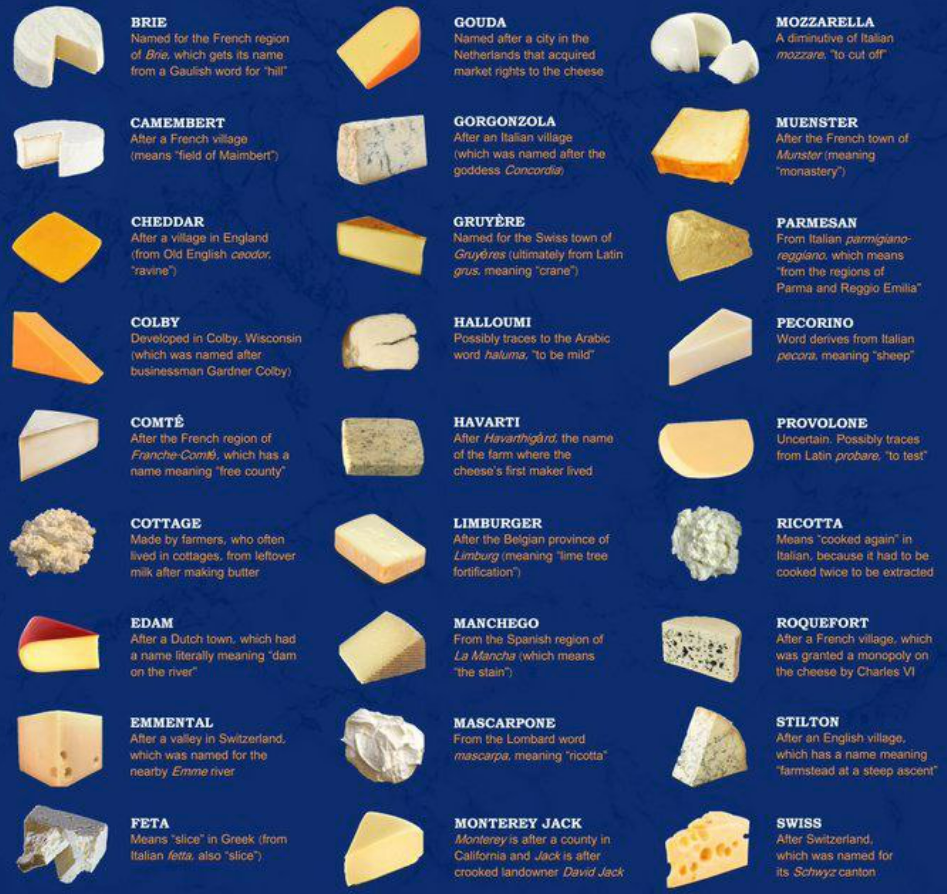
Italy’s culinary landscape is renowned worldwide with so many of your favorite flavors and classic dishes such as pizza, fresh pastas, pesto, and risottos. At the heart of this you’ll find your most beloved imported cheeses from Italy. When it comes to Italian cheese; every bite tells a story of terroir, history, and the undying Italian love for tradition. Origins of Italian cheesemaking can be traced back to ancient times when pastoral communities began to settle in different regions. These communities realized that transforming animal milk into cheese was not only a way to preserve this precious resource but also an avenue to create diverse flavors and textures. As cheesemaking techniques grew and evolved, they became part of the fabric of Italian culture. History of Italian artisanal cheese dates back thousands of years, with its origins rooted in the agricultural traditions of small, rural families.
Long before Italy became known for its culinary excellence, shepherds in the Roman and Etruscan eras began crafting cheese from the milk of sheep, goats, and cows. These families passed down their cheesemaking techniques through generations, honing their craft in mountainous regions and fertile valleys. Italy’s diverse geography provided the ideal conditions for producing a wide variety of cheeses, each shaped by local culture, climate, and traditions. Throughout the Middle Ages and Renaissance, Italian cheesemaking became more refined and regional specialties emerged. In northern Italy, Gorgonzola and Parmigiano-Reggiano grew in prominence, while southern Italy developed iconic cheeses like Mozzarella di Bufala and Pecorino Romano. These cheeses became integral to local economies and food culture, often taking center stage in the daily lives of families and community feasts. The deeply ingrained pride in these artisanal products contributed to the formation of protected designations, ensuring the preservation of authentic methods and safeguarding regional identities. •
Parmigiano-Reggiano, the “King of Cheeses,” commands respect with its rich history dating back over 900 years. Born in Emilia-Romagna region, this hard and granular aged cow’s milk cheese was a creation of necessity and ingenuity. Monks in medieval monasteries crafted a technique that transformed surplus milk into a long-lasting delight. Today, the cheese’s unmistakable nutty flavor and crumbly texture stand as a tribute to the craftsmanship passed down through generations. • In the heart of Campania, the art of making Mozzarella di Bufala Campana reaches back to the 12th century. Crafted from the milk of water buffalo, this cheese is the embodiment of the region’s fertile pastures and skilled artisans. The mild climate of the Campania region provides ideal conditions for buffalo farming, resulting in an excess of milk that was used to make this unique and creamy delicacy. The smooth, elastic texture and delicate flavor make it a versatile ingredient in salads, pizzas, and caprese. It’s not just a cheese; it’s a piece of Campania’s culture. • Venture north to Lombardy, where Gorgonzola claims its throne as Italy’s blue cheese masterpiece. The cheese’s history dates to the 9th century where legend has it that a shepherd in the town of Gorgonzola near Milan left his cow’s milk behind for longer than intended due to various distractions. This prolonged aging allowed naturally occurring blue mold (Penicillium roqueforti) to develop within the cheese. Upon discovering the blue veins and distinct flavor, the shepherd decided to taste it and found the cheese to be surprisingly delicious. This accidental encounter with blue mold led to the creation of what we now know as Gorgonzola cheese.
I’m getting hungry just putting this post together. I love cheese. Enjoy some vids…
Italy’s culinary landscape is renowned worldwide with so many of your favorite flavors and classic dishes such as pizza, fresh pastas, pesto, and risottos. At the heart of this you’ll find your most beloved imported cheeses from Italy. When it comes to Italian cheese; every bite… pic.twitter.com/5XYbYohMYg
— Archaeo – Histories (@archeohistories) December 31, 2024
According to ancient records passed down through the centuries, the making of cheese dates back more than 4,000 years.
No one really knows who made the first cheese. According to an ancient legend, it was made accidentally by an Arabian merchant who put his supply of milk into a… pic.twitter.com/6UWvcEUP5B
— Archaeo – Histories (@archeohistories) January 18, 2025
According to ancient records passed down through the centuries, the making of cheese dates back more than 4,000 years. No one really knows who made the first cheese. According to an ancient legend, it was made accidentally by an Arabian merchant who put his supply of milk into a pouch made from a sheep’s stomach, as he set out on a day’s journey across the desert. The rennet in the lining of the pouch, combined with the heat of the sun, caused the milk to separate into curd and whey. That night he found that the whey satisfied his thirst, and the cheese (curd) had a delightful flavor which satisfied his hunger. Travelers from Asia are believed to have brought the art of cheesemaking to Europe. In fact, cheese was made in many parts of the Roman Empire when it was at its height. The Romans, in turn, introduced cheesemaking to England. During the Middle Ages-from the decline of the Roman Empire until the discovery of America-cheese was made and improved by the monks in the monasteries of Europe. For example, Gorgonzola was made in Po Valley in Italy in 879 AD, and Italy became the cheesemaking center of Europe during 10th Century.
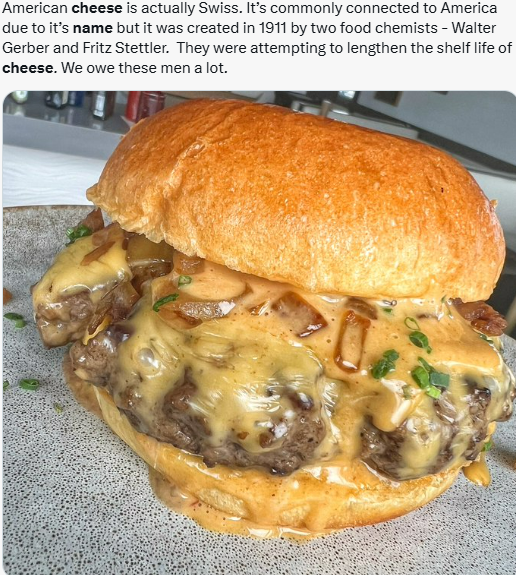
Roquefort was also mentioned in the ancient records of the monastery at Conques, France as early as 1070. Cheesemaking continued to flourish in Europe and became an established food. In fact, the Pilgrims included cheese in the Mayflower’s supplies when they made their voyage to America in 1620. The making of cheese quickly spread in the New World, but until the 19th century it remained a local farm industry. It wasn’t until 1851 that the first cheese factory in the United States was built by Jesse Williams in Oneida County, New York. As population across the United States continued to grow dramatically, the demand for cheese increased and the industry gradually moved westward, centering on the rich farm lands of Wisconsin. In 1845, a band of Swiss immigrants settled in Green County, Wisconsin and started the manufacturing of foreign cheese in America. Most Wisconsin farmers began to believe that their future survival was tied to cheese and their first factory was a Limburger plant which opened in 1868. The wholesale cheese industry was thus born and showed phenomenal growth during the latter half of the 1800s.
By 1880 there were 3,923 dairy factories nationwide which were reported to have made 216 million pounds of cheese that year valued at $17 million. This represented almost 90 percent of total cheese production that year. By the turn of the century, farm production of cheese had become insignificant. The 1904 census reported only factory output, which totaled over 317 million pounds. As cheese demand continued to grow and spread rapidly, manufactured and processed cheese production increased dramatically. Total natural cheese production grew from 418 million pounds in 1920 to 2.2 billion pounds by 1970. Rising demand for cheese throughout the 1970s and 1980s brought total natural cheese production to more than 6 billion pounds by the beginning of the 1990s. Processed cheese also experienced a surge in consumer demand with annual production exceeding 2 billion pounds a year by the beginning of the 1990s. Currently, more than one-third of all milk produced each year in the U.S. is used to manufacture cheese. Recent increases in the overall demand for farm milk have in large part been due to the continued growth of the cheese industry. As consumer appetites for all types of cheese continue to expand, so will the industry.
See a ton of strange or cool clips – CLICK HERE
That is Why He Won: TOP 10 MEMES – Watch MAGA

DEI has so completely undermined safety standards that pilots are sometimes afraid to leave the cockpit for fear of what their co-pilots will do unattended.– Tucker interview just out…. Whatfinger

Slash & Smash: TOP 10 MEMES – Watch MAGA

- Be prepared for anything, including lockdowns with your own Emergency Med kit – see Wellness Emergency Kit (includes Ivermectin and other essential drugs, guide book, much more… peace of mind for you and your family) 🛑 – Dr. McCullough’s company! – Sponsor
- Dr. Zelenko is the man who advised Trump on Hydroxy ..Here’s his recipe to keep immunity strong – Zelenko Z Stack
- New Junkie Paradise – Whatfinger News – More news daily than any other news site on Earth – CLICK HERE












CLICK HERE FOR COMMENTS