

No longer a conspiracy theory
Instacart has been caught using Dynamic Pricing
They are accessing personal data of users and then adjusting prices based on that data. If someone can afford to pay more for items, the prices increase
“You may have heard of dynamic pricing. Well… pic.twitter.com/A70gtTLQhZ
— Wall Street Apes (@WallStreetApes) December 11, 2025
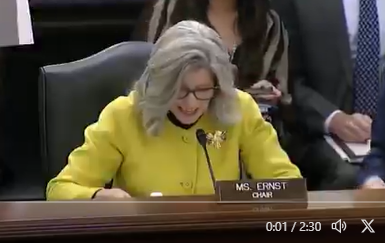
In an era where one-click grocery delivery promises effortless shopping, a recent viral exposé has peeled back the curtain on a troubling practice: companies like Instacart are allegedly using AI-driven algorithms to charge different customers wildly varying prices for the exact same items from the exact same store at the exact same time. The bombshell dropped via a December 11, 2025, X post above, which racked up over 5,600 likes and 177,000 views in hours. The post highlighted a Consumer Reports and Groundwork Collaborative investigation, revealing how Instacart’s “pricing experiments” could inflate a family of four’s annual grocery bill by up to $1,200. Accompanying video footage from ABC Action News showed stunned consumers reacting to the news, with one shopper exclaiming, “It’s greed… How are they getting away with this?”
But Instacart isn’t alone. From ride-sharing apps to e-commerce behemoths, a wave of “surveillance pricing”—where algorithms exploit personal data for individualized markups—is eroding trust and fueling calls for regulation. This isn’t just about a few extra bucks on eggs; it’s a symptom of unchecked corporate power in the digital age.At the heart of the Instacart scandal is a tool called Eversight, an AI platform the company acquired in 2022 for “revenue optimization.” According to the Groundwork report, researchers enlisted 437 volunteer shoppers across four cities—Seattle, Washington D.C., North Canton (Ohio), and St. Paul (Minnesota)—to simultaneously add identical baskets of 20 staple groceries (think eggs, peanut butter, cereal) to their Instacart carts from partnered stores like Safeway, Target, Kroger, Costco, and Albertsons. continued below this next clip
THEY’RE PINGING YOUR PHONE TO CHANGE PRICES IN REAL TIME Major retailers are quietly testing AI-driven dynamic pricing with tech that reads your location, data, and proximity to the store before deciding what you pay. Every ping from your phone … GPS, Bluetooth, Wi-Fi, app activity, all of it feeds an algorithm that decides your “value.” The closer you get, the higher it goes. They call it personalized pricing. You’d call it being tracked and charged for who the system thinks you are. Same item. Different people. Different prices. So when your total jumps the second you walk in – is that inflation, or surveillance disguised as a sale?
🚨 THEY’RE PINGING YOUR PHONE TO CHANGE PRICES IN REAL TIME
Major retailers are quietly testing AI-driven dynamic pricing with tech that reads your location, data, and proximity to the store before deciding what you pay.
Every ping from your phone
… GPS, Bluetooth, Wi-Fi,… pic.twitter.com/kO64FLYy9I— HustleBitch (@HustleBitch_) November 12, 2025
Yet critics, including Groundwork’s Lindsay Owens, call it “pricing roulette” amid the worst grocery inflation in 50 years. The report even uncovered “fictitious pricing,” where Instacart allegedly manipulated “original” prices to inflate perceived discounts—echoing a recent Amazon lawsuit over Prime Day shenanigans. Shoppers like Lynn Folk from Ohio, a study volunteer, fumed to Consumer Reports: “It’s manipulative… I don’t think dynamic pricing should be used anywhere.” X users echoed the outrage, with one calling for a “massive class action” against “grubby fucking scum.”
Amazon, the e-commerce overlord, pioneered this dark art in 2000 with a DVD pricing fiasco: Loyal customers via cookies paid $26.24 for the same disc newbies snagged for $22.74, sparking media firestorms and a swift backpedal. Fast-forward to today, and Amazon’s accused of ZIP-code-based hikes—charging more in wealthier areas—or tailoring prices via browsing history and device type, with variations up to hundreds of dollars on travel sites. A 2019 ProPublica probe revealed Staples and Steam doing the same, adjusting office supplies and games by location. Target stirred controversy in 2019 when parking lot browsers saw TVs $100 pricier than those at home, blaming “online vs. in-store” differences but admitting location tracking played a role.
As X commenter @FinalTelegraph put it, this is “algorithmic predation… the purest form of economic tyranny.” For consumers, the fix is grassroots: Compare in-store prices, use incognito mode, or ditch apps for farmers’ markets—one X user swore by the latter to “avoid this easy scam.” But real change demands transparency. As economist Jean-Pierre Dubé warns, without it, personalized pricing risks alienating the very customers it exploits. In a post-pandemic world still reeling from 20% food inflation, these “experiments” feel less like innovation and more like theft. Will lawmakers slam the door on this digital discrimination? Or will your next cart be the one that costs $1,200 too much? The clock’s ticking—shop smart, and demand fairness.
Sgt K and Lisa at Whatfinger News
Did I Do That: PATRIOTS’ TOP 10 – Meme Montage Exposing Somali Immigration Chaos!












CLICK HERE FOR COMMENTS