
The Importance of Magnesium for Human Health
It contributes to oxidative phosphorylation and glycolysis, the processes that generate ATP, our body’s energy currency. Without adequate magnesium, these pathways falter, leading to fatigue and reduced physical performance. One of magnesium’s key roles is in maintaining bone health. It aids in bone structural development and regulates calcium levels, preventing excessive buildup that could lead to issues like kidney stones or arterial calcification. Studies show that higher magnesium intake is linked to greater bone density, reducing the risk of osteoporosis, especially in postmenopausal women.
For cardiovascular health, magnesium helps regulate blood pressure by relaxing blood vessels and supporting healthy heart rhythms. It also plays a part in cholesterol management and can lower the risk of hypertension and heart disease. Neurologically, magnesium is vital for nerve function and mood regulation. It acts as a natural calcium blocker, preventing overstimulation of nerves that can lead to anxiety or migraines. Low levels are associated with depression, as magnesium influences serotonin production and brain plasticity. In terms of metabolic health, it supports blood sugar control by enhancing insulin sensitivity, which is crucial for preventing type 2 diabetes. Magnesium also bolsters the immune system, aiding in DNA repair and reducing inflammation. Deficiency is alarmingly common, affecting up to 50% of the population in some regions, due to soil depletion, processed foods, and factors like stress or certain medications.
Symptoms include muscle cramps, fatigue, irregular heartbeats, and even more severe issues like seizures in extreme cases. Chronic low intake may contribute to conditions such as asthma, preeclampsia, and migraines. Fortunately, increasing magnesium through diet—leafy greens, nuts, seeds, and whole grains—or supplements can reverse these effects. Magnesium’s synergy with other nutrients amplifies its benefits. It activates vitamin D, ensuring proper calcium absorption for bones and immune function. It also works with potassium and sodium to maintain electrolyte balance, essential for hydration and nerve signaling. In exercise, it boosts performance by reducing lactate buildup and supporting muscle recovery. Overall, magnesium is a foundational nutrient for longevity and vitality.
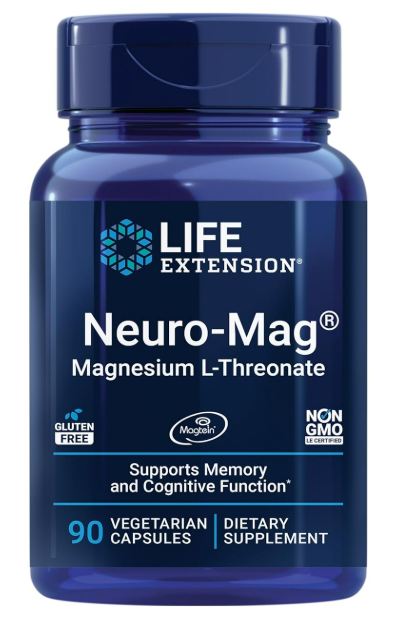
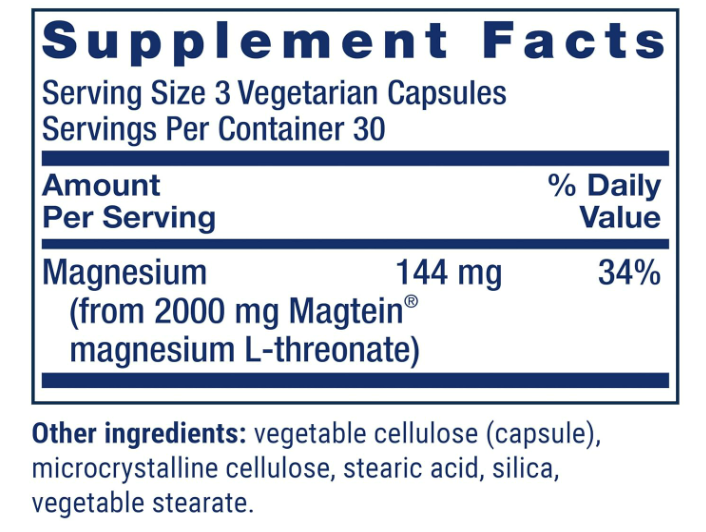
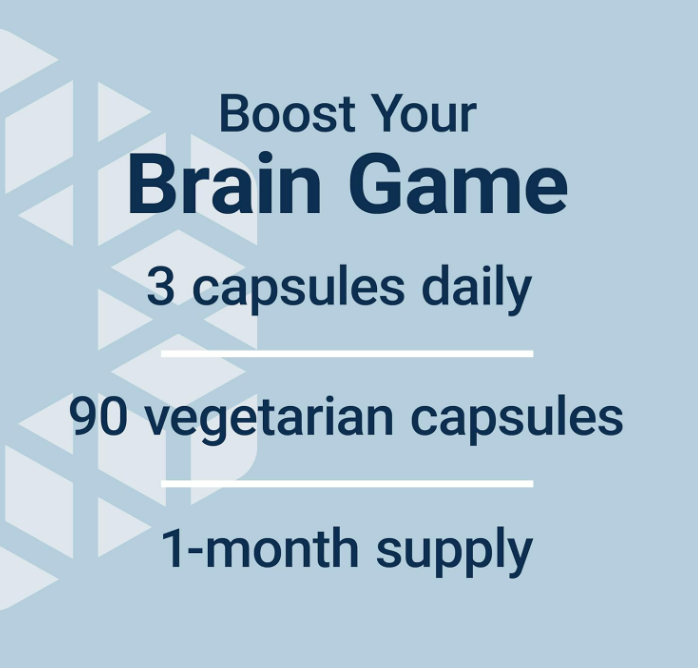
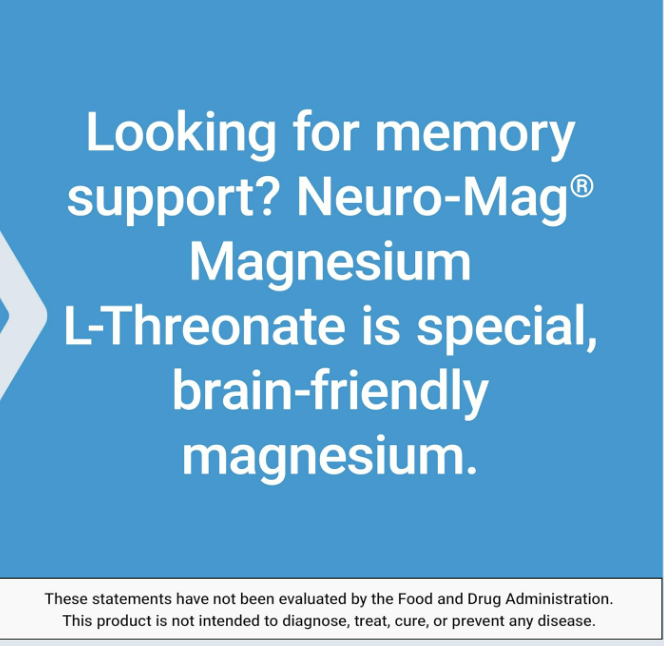
Life Extension Neuro-Mag Magnesium L-Threonate, Memory Health, Quick Thinking, Cognitive Health Support, Vegetarian, Non-GMO, 90 Vegetarian Capsules (144 mg from 2000 mg Magtein magnesium L-threonate.
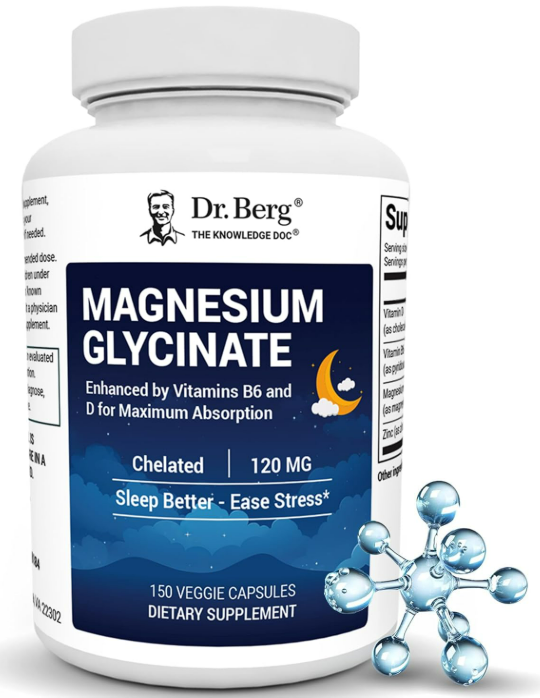
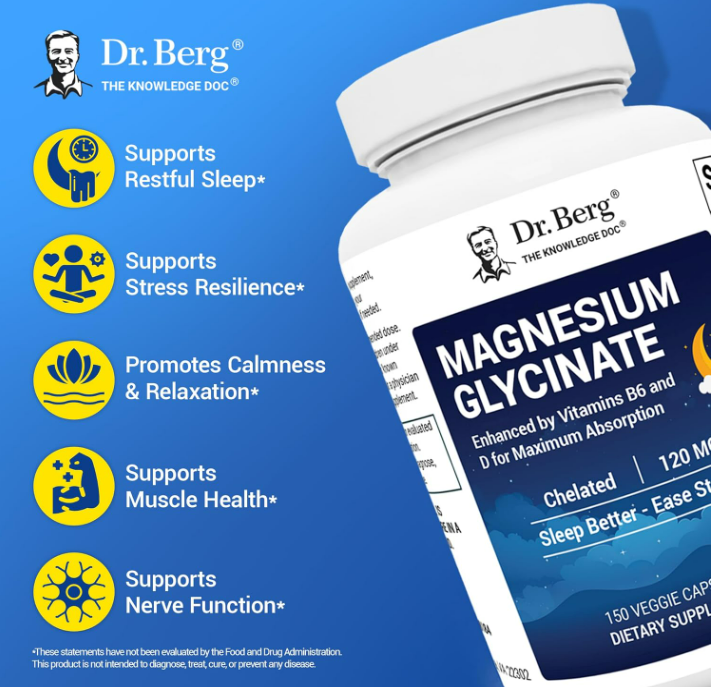
Dr. Berg Maximum Strength 4-in-1 Chelated Magnesium Glycinate with Clean, Potent & Pure Ingredients | 4X Lab-Tested & Verified | USA Formulated Magnesium Supplement Capsules | 150 Capsules
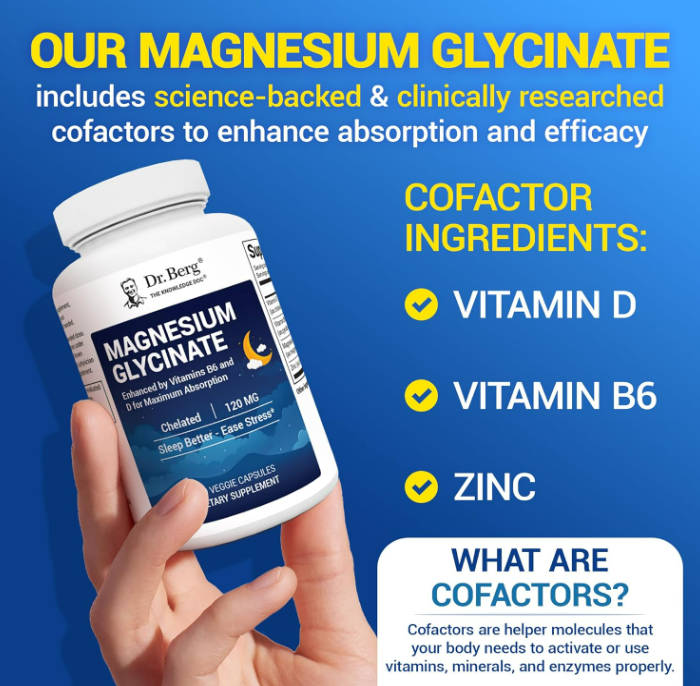
Most Usable Forms of Magnesium: L-Threonate and Glycinate
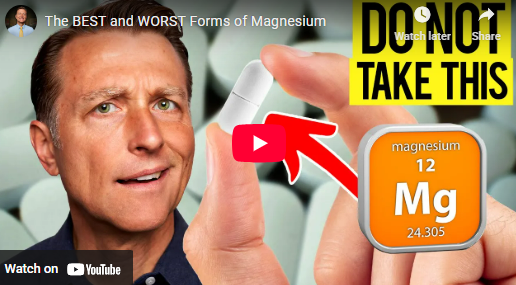
Not all magnesium supplements are created equal; bioavailability varies by form. Magnesium L-threonate stands out for its ability to penetrate the blood-brain barrier, making it ideal for cognitive health. Developed by MIT researchers, it increases brain magnesium levels, supporting synaptic plasticity, memory, and potentially alleviating Alzheimer’s symptoms. Users often report enhanced focus and better sleep without the laxative effects of other forms. Magnesium glycinate, bound to glycine, offers high absorption with minimal gastrointestinal upset. It’s excellent for overall health, promoting relaxation, reducing anxiety, and improving sleep quality. Glycinate is often recommended for those with deficiencies, as it raises plasma levels effectively and supports muscle and nerve function. Other notable forms include citrate for constipation relief, malate for energy and pain management, and taurate for heart health.
When choosing, consider your needs: L-threonate for brain benefits, glycinate for gentle daily use. Dosages typically range from 200-400 mg elemental magnesium daily, but consult a doctor to avoid interactions.
What Top Health Gurus Say About Magnesium Supplementation

Summing it all up for you
Mal Antoni at Whatfinger News
If you have updates or more info – you can email me at whatfinger@proton.me (NO graphics or files, the email will not be opened if you do send one with these)
Research Links
- Magnesium – Health Professional Fact Sheet
- What Are the Health Benefits of Magnesium?
- Why Magnesium Matters
- The Surprising Health Benefits of Magnesium
- What can magnesium do for you and how much do you need?
- Magnesium and Human Health: Perspectives and Research
- Magnesium and your health – health benefits and how much you need
- Magnesium: Health benefits, deficiency, sources, and risks
- Magnesium in Disease Prevention and Overall Health
- Magnesium L-Threonate vs. Magnesium Glycinate
- Magnesium Threonate vs Glycinate: Key Differences and Benefits
- Types of Magnesium and Their Benefits
- Magnesium Threonate vs. Glycinate: Which Is Right for You?
- Magnesium Supplement with 9 Forms of High Absorption
- Comparing Magnesium L-Threonate and Magnesium Glycinate for Mental Health
- Which Type of Magnesium Is Right for Your Symptoms?
- Different Types of Magnesium: Which One Should You Take?
- Types of magnesium supplements: Best use and benefits for your health
- Best Magnesium Supplements for Sleep: Our Experts Weigh in
- Magnesium — Articles, Videos, & Studies
- These Are the Best Magnesium Supplements
- The Science of Magnesium and Its Role in Aging and Disease
- 087 The Science of Magnesium and Its Role in Aging and Disease
- These Are the Best Magnesium Supplements
- Magnesium Benefits for Heart Health, Performance and Sleep
- Magnesium Deficiency: 8 Warning Signs
- Magnesium 101 – A Comprehensive Guide to Its Health Benefits
- 7 Types of Magnesium and How They Improve Your Health
- Dr. Mercola Magnesium Advanced
- The Importance of Magnesium to Your Body
- AMA #54: Magnesium: risks of deficiency, how to correct
- Magnesium: risks of deficiency, supplement options, cognitive and sleep benefits
- You Could Have a Magnesium Deficiency, Doctor Warns
- AMA #19: Deep dive on Zone 2 training, magnesium
- Dr. Peter Attia Reveals His Top 5 Supplements in 2024
- What magnesium supplement can I use to optimize sleep, cognition
- Andrew Huberman Predicts the Next Breakthrough Supplement
- What is the best type and dosage of magnesium
- Andrew Huberman Predicts Next Big Supplement Breakthrough
- Best Supplements for Improving Sleep
More Health Articles here at Whatfinger News
- Grass-Fed Ghee: The Ultimate Cooking Fat – Ditch Harmful Seed Oils for This Pasture-Raised Powerhouse
- Nitric Oxide: The Unsung Hero of Health – Benefits, Latest Research, and Biohacker Insights
- The Versatile Power of Quercetin: Health Benefits, Uses, and Historical Discovery
- Maximizing Brain Health: Three Top Supplements Recommended by Biohacking Leaders That Can Make Your Brain Work At Optimal Levels
- Health Benefits of Timeline’s Mitopure Urolithin A – This is a serious game-changer to help you live longer
- The Ever-Shifting Cholesterol Goalposts. Big Pharma’s Billion-Dollar Scam That’s Destroying American Health
- Three years ago, Dana White was facing: Early-stage kidney failure, Diabetes, Brittle hypertension. Today, he’s, Off all meds, Perfect health markers, Here’s how he did it
- Big Pharma’s Deadly Numbers Game: How the Medical Establishment Manipulates Health Metrics to Profit at America’s Expense
- Ivermectin + Mebendazole could be unexpected game-changers, going beyond parasite treatment! Dr. Peter McCullough explains
- Health Benefits of Spirulina and Chlorella – plus the products I tested and the latest from Dave Asprey, Barbara O’Neill, Lori Shemek, Clif High, and Others
- I made a video on Spirulina and Chlorella but it is at the account on YouTube, and they do not let people see it, and keep it hidden due to the fact that I dared to talk about Covid and facts related, and by now I’m sure you know Google and YouTube do as the Deep State wants. Musk discovered CIA and FBI agents working at X and fired them when he bought Twitter, but no such purge ever took place at YouTube so my account there is hard to even find. Try to search for Mal Antoni or News Variable at YouTube and you will see what I mean. This is shadow banning. But here is the direct link: Spirulina vs. Chlorella: Boost Your Mitochondrial Health with Supplements Easily

- Be prepared for anything, including lockdowns with your own Emergency Med kit – see Wellness Emergency Kit (includes Ivermectin and other essential drugs, guide book, much more… peace of mind for you and your family) 🛑 – Dr. McCullough’s company! – Sponsor
- How can you move your 401K to Gold penalty free? Get the answer and more with Goldco’s exclusive Gold IRA Beginner’s Guide. Click here now! – Goldco
- Facebook doesn’t want you reading most sites we link to or any vids or features that we post. Their algorithm hides our pages and humor too as best it can. The way to stick it to Zuckerberg? Sign up for our 3x a week newsletter. Takes 6 seconds. We send out the best – most popular links daily, no spam, plus a splash of honesty even beyond Whatfinger’s homepage…. – CLICK HERE
- Tackle Your Credit Card Debt by Paying 0% Interest Until 2027 – Sponsored
- Whatfingers Health Vids to help you live longer. DO NOT let Big Pharma and any Doctor kill you slowly because that is what their higher-ups want for $. Remember: Bad doctors live by this: ‘Every patient cured is a patient lost’ – get it? The establishment, like RFK Jr says, wants to keep you sick and getting sicker for maximum profit. FIGHT – get the knowledge – CLICK HERE
- Hey Folks, We need a little help for server and security costs… If you can spare some and love what we do, Please CLICK HERE for our Donor box Support Fund.












CLICK HERE FOR COMMENTS