
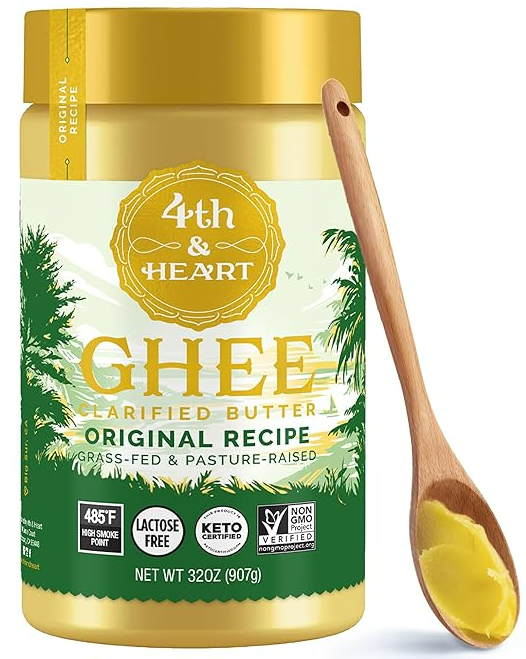
The Nutritional Superiority of Grass-Fed Ghee: A Bulletproof Upgrade for Your Diet
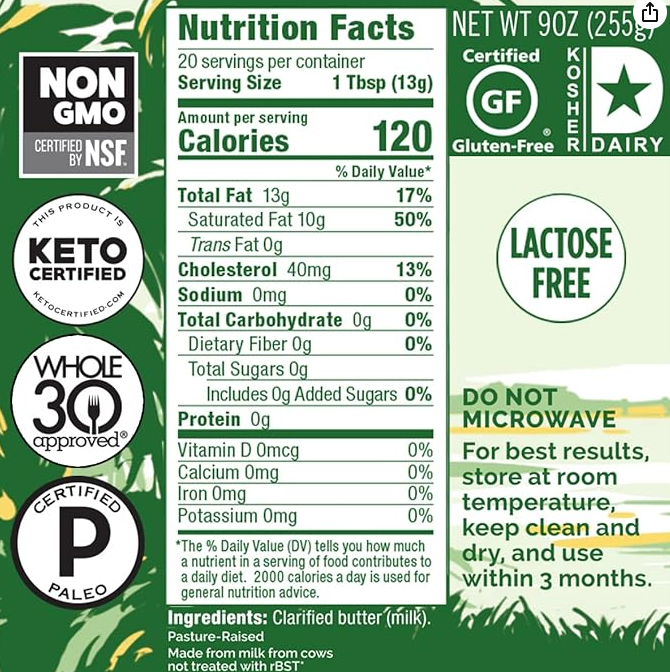
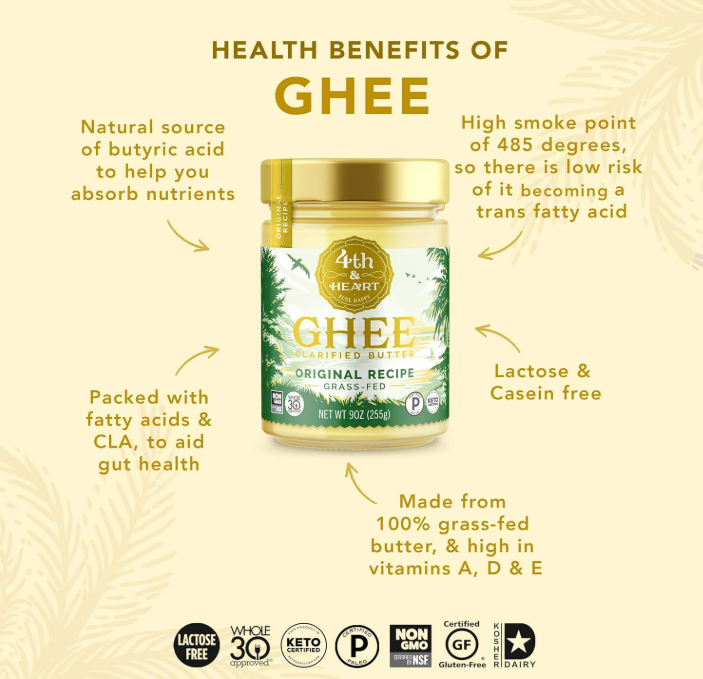
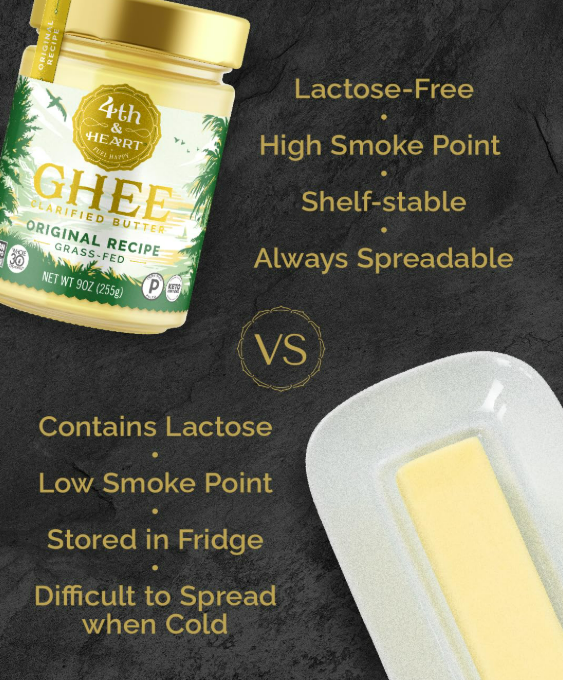
A 2011 study found ghee reduced serum cholesterol in rats, suggesting cardiovascular protection. Gut benefits abound—butyrate heals the intestinal lining, combating leaky gut and IBS. Anti-inflammatory effects extend to joints and skin, with vitamin E fighting oxidative stress for anti-aging perks. Brain function gets a boost too: Omega-3s and vitamins support cognitive clarity, while butyrate enhances BDNF for neuroprotection. Unlike dairy, ghee is lactose-free, suitable for intolerants, and its high smoke point (485°F) prevents toxic oxidation during cooking.
The Dark Side of Seed Oils: Why They’re Poisoning Your Health
Health Gurus Weigh In: Quotes from the Experts
As ‘The Aggregator’ as they call me here at Whatfinger News, I can say I have watched over a dozen podcasts that speak directly about Ghee, and at least 40 others where they all say to use Ghee in your coffee (which I do as well, as I copied Dave Asprey’s plan a few years back). Dave Asprey used to own Bulletproof Coffee, I’m sure you’re familiar with the brand. he sold that off and now they went corporate. Why do I say that? Well, quite a few folks have noted that when Asprey ran it, the coffee proudly said ‘Mold Free’ and now those words are gone from the packaging. Interesting huh! I stopped buying Bulletproof after that. But now I use a brand called Danger Coffee, which is Dave Asprey’s new coffee company. I throw in Ghee and BAM… you have the best of all words early AM. But, back to the gurus and what they say about Ghee….
- Dave Asprey, biohacking icon, champions ghee for its stability: “Ghee is made by clarifying butter, which means it is cooked until protein and carbohydrate solids are separated out, leaving pure oil.” He prefers it over butter for high-heat cooking, noting it “has a higher smoke point than butter because the clarification process reduces the protein content.”
- Andrew Huberman, neuroscientist, endorses ghee for keto: “Ghee is clarified butter… and you wanna make sure you have butter that it’s from an organic source.” He highlights its benefits: “Butter (especially grass-fed): While butter contains saturated fats, grass-fed varieties offer higher omega-3 content and vitamins.
- Ben Greenfield, fitness expert, praises ghee’s versatility: “Ghee (clarified butter) is another high-heat powerhouse. It’s about 62% saturated fat, 29% monounsaturated fat, and 4% polyunsaturated fat, with a smoke point of around 485°F.” He adds: “Sautee meat on cast-iron skillet in ghee or butter, or grill (preferably on lower heat).”
- Rhonda Patrick, biochemist, notes ghee’s K2 content: “Spermidine, a compound high in natto… [but] natto’s high K2 content prevents bone loss.” On fats: “Little to no association between butter consumption, chronic disease or total mortality.”
- Joseph Mercola, wellness advocate, declares: “Ghee is a type of clarified butter that is stable at room temperature and has been used in Indian cooking and Ayurvedic medicine for thousands of years.” He emphasizes: “If you need to use oil in the kitchen, I recommend butter, tallow, ghee and organic coconut oil as excellent substitutes.”
- Mark Sisson, primal health pioneer, states: “Ghee is the Indian term for clarified butter. Nowadays, grass fed ghee has gained ground in the West as a healthy and tasty alternative to regular butter.” He advises: “Use ghee or butter for cooking… Ghee has a higher smoke point.”
Integrating Ghee into Your Kitchen: Simple Swaps for Superior Health
Embrace Ghee, Reject Seed Oils for Vibrant Health
More Health Articles here at Whatfinger News
- Nitric Oxide: The Unsung Hero of Health – Benefits, Latest Research, and Biohacker Insights
- The Versatile Power of Quercetin: Health Benefits, Uses, and Historical Discovery
- Maximizing Brain Health: Three Top Supplements Recommended by Biohacking Leaders That Can Make Your Brain Work At Optimal Levels
- Health Benefits of Timeline’s Mitopure Urolithin A – This is a serious game-changer to help you live longer
- The Ever-Shifting Cholesterol Goalposts. Big Pharma’s Billion-Dollar Scam That’s Destroying American Health
- Three years ago, Dana White was facing: Early-stage kidney failure, Diabetes, Brittle hypertension. Today, he’s, Off all meds, Perfect health markers, Here’s how he did it
- Big Pharma’s Deadly Numbers Game: How the Medical Establishment Manipulates Health Metrics to Profit at America’s Expense
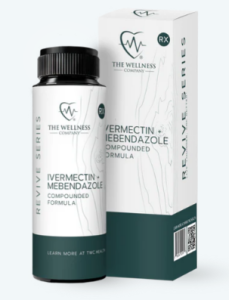
- Ivermectin + Mebendazole could be unexpected game-changers, going beyond parasite treatment! Dr. Peter McCullough explains
- Health Benefits of Spirulina and Chlorella – plus the products I tested and the latest from Dave Asprey, Barbara O’Neill, Lori Shemek, Clif High, and Others
- I made a video on Spirulina and Chlorella but it is at the account on YouTube, and they do not let people see it, and keep it hidden due to the fact that I dared to talk about Covid and facts related, and by now I’m sure you know Google and YouTube do as the Deep State wants. Musk discovered CIA and FBI agents working at X and fired them when he bought Twitter, but no such purge ever took place at YouTube so my account there is hard to even find. Try to search for Mal Antoni or News Variable at YouTube and you will see what I mean. This is shadow banning. But here is the direct link: Spirulina vs. Chlorella: Boost Your Mitochondrial Health with Supplements Easily
Want to know more?
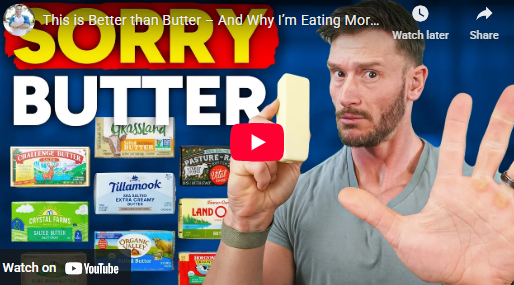
This is Better than Butter – And Why I’m Eating More of It

- Be prepared for anything, including lockdowns with your own Emergency Med kit – see Wellness Emergency Kit (includes Ivermectin and other essential drugs, guide book, much more… peace of mind for you and your family) 🛑 – Dr. McCullough’s company! – Sponsor
- How can you move your 401K to Gold penalty free? Get the answer and more with Goldco’s exclusive Gold IRA Beginner’s Guide. Click here now! – Goldco
- Facebook doesn’t want you reading most sites we link to or any vids or features that we post. Their algorithm hides our pages and humor too as best it can. The way to stick it to Zuckerberg? Sign up for our 3x a week newsletter. Takes 6 seconds. We send out the best – most popular links daily, no spam, plus a splash of honesty even beyond Whatfinger’s homepage…. – CLICK HERE
- Tackle Your Credit Card Debt by Paying 0% Interest Until 2027 – Sponsored
- Whatfingers Health Vids to help you live longer. DO NOT let Big Pharma and any Doctor kill you slowly because that is what their higher-ups want for $. Remember: Bad doctors live by this: ‘Every patient cured is a patient lost’ – get it? The establishment, like RFK Jr says, wants to keep you sick and getting sicker for maximum profit. FIGHT – get the knowledge – CLICK HERE
- Hey Folks, We need a little help for server and security costs… If you can spare some and love what we do, Please CLICK HERE for our Donor box Support Fund.












CLICK HERE FOR COMMENTS