

- Facebook doesn’t want you reading most sites we link to or any vids we post. Their algorithm hides our pages and humor too as best it can. The way to stick it to Zuckerberg? Sign up for our once-a-day newsletter. Takes 6 seconds. We send out the best – most popular links daily, no spam, plus a splash of honesty even beyond Whatfinger’s homepage…. – CLICK HERE (Please note that Comcast email blocks you from receiving our emails, so if you use them for email, don’t sign up or use a different email service to freely get YOUR emails! – sorry!) 🛑
Top discoveries of 2024–2025 also include Thutmose II’s long-lost tomb in the Valley of the Kings, Dionysian frescoes in Pompeii, and a mysterious Sutton Hoo bucket. A 4,000-year-old fort city in Saudi Arabia and a 2,000-year-old Nabataean temple further expand our understanding of ancient trade networks. Perhaps the most intriguing are revelations beneath Egypt’s iconic pyramids. In March 2025, Italian researchers using high-frequency radar claimed to discover a “vast underground city” beneath the Giza plateau, including shafts and chambers potentially linked to the mythical Halls of Amenti—a legendary repository of ancient knowledge. Described as extending 2,100 feet deep, this anomaly has sparked heated debates among Egyptologists, with some hailing it as a portal to lost wisdom and others dismissing it as misinterpreted data. Skeletons from Nubia found nearby suggest diverse labor forces built the pyramids, upending elite-only burial theories.
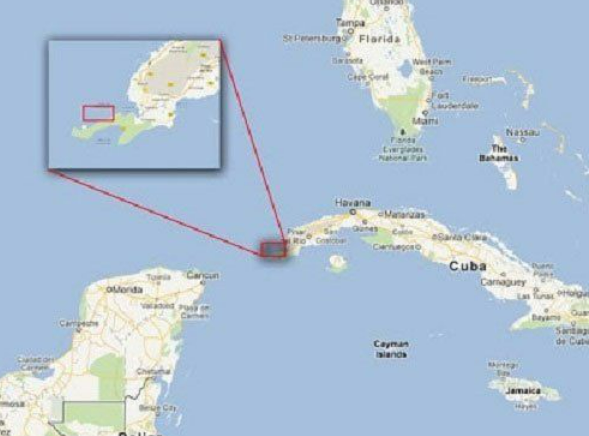
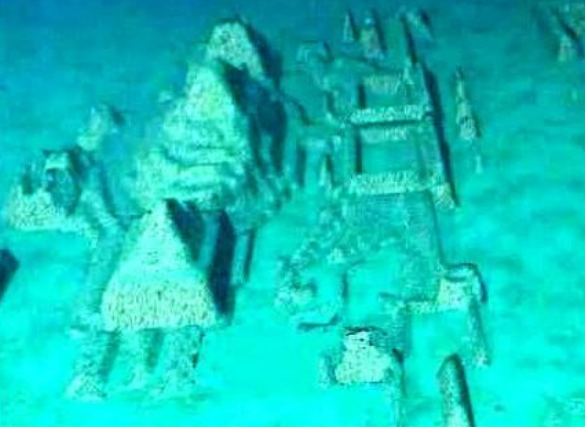
Advanced scans in 2025 also revealed new voids and structures, fueling speculation about hidden chambers housing pharaonic secrets or advanced engineering. Critics argue the findings are exaggerated, but proponents see them as rewriting pyramid history. These discoveries—from Cuba’s sunken stones to Giza’s subterranean secrets—underscore humanity’s forgotten past. They challenge timelines, hint at lost technologies, and inspire wonder about cataclysms that reshaped civilizations. As climate change and modern development threaten more sites, the race to uncover these treasures intensifies, promising even more revelations in the years ahead.
NEW DISCOVERY 2025 The Great pyramid of GIZA
Links
- Inside ‘lost’ underwater city with stone structures 2000ft below sea’s surface
- What happened to the 6,000-year-old submerged city discovered in Cuba?
- Underwater ‘lost city’ believed to be 6000 years old reshapes history
- Why Nobody Talks About the Underwater City Found Near Cuba
- Cuban underwater formation
- The Underwater City of Cuba: A New Theory on its Origins – Part I
- DISCOVERY OF A NEW SUBMERGED CITY Off the west coast of Cuba
- Ancient Underwater Lost City Near Cuba, Believed to Be Atlantis
- 5 Ancient Cities That Are Now Underwater
- Ancient cities that are now underwater
- These ancient cities sunk to the ocean floor. Here’s how they were rediscovered
- Scientists Discovered A Lost Ancient City Hidden Underwater That Shouldn’t Exist
- 15 Amazing Underwater Cities Around the World
- Lost underwater ‘city’ discovered in India could rewrite the history of civilisation
- The Most Incredible Underwater Cities of Ancient Egypt
- The Real Atlantises: Seven Sunken Cities From Around the World
- The Top 8 Archaeological Discoveries of 2025 (So Far)
- 2025 in archaeology
- Top 10 Discoveries of 2024
- The Most Impactful Archaeological Discoveries of 2024
- 3,000-year-old ancient Maya city complex with pyramids unearthed in Guatemala
- Archaeology’s top discoveries of 2024 include preserved brains and a lost city
- Today’s News – Archaeology Magazine
- Controversial study finds massive city under great pyramids
- An ‘Anomaly’ Near the Pyramids May Reveal an Ancient Portal
- New Discovery Upends Age-Old Theory About Pyramid Burials
- Experts clash over claims of underground city beneath Egypt pyramids
- NEW DISCOVERY 2025 The Great pyramid of GIZA
- ‘Vast underground city’ found below Egypt’s Giza pyramids: scientists
- What lies beneath the Giza Pyramids? Shocking discoveries could rewrite history
- Researchers say they used SAR to find vast city beneath the pyramids
Sgt K and Lisa at Whatfinger, with heavy use of Reddit posts, YouTube Vids and other links above.
For HOURS of fun – see many more Steve Inman as well as other humor, quick smile clips , more – Whatfinger’s collection – click here
Six Months of Winning: PATRIOTS’ TOP 10 – Watch MAGA

- Is Ivermectin the Key to Fighting Cancer? …. – Wellness (Dr. McCullough’s company) Sponsored Post 🛑 You can get MEBENDAZOLE and Ivermectin from Wellness 👍
- Be prepared for anything, including lockdowns with your own Emergency Med kit – see Wellness Emergency Kit (includes Ivermectin and other essential drugs, guide book, much more… peace of mind for you and your family) 🛑 – Dr. McCullough’s company! – Sponsor
- How can you move your 401K to Gold penalty free? Get the answer and more with Goldco’s exclusive Gold IRA Beginner’s Guide. Click here now! – Goldco
- The Truth About Weight Loss After 40 – Wellness Can Help You – Sponsor
- Facebook doesn’t want you reading most sites we link to or any vids we post. Their algorithm hides our pages and humor too as best it can. The way to stick it to Zuckerberg? Sign up for our once-a-day newsletter. Takes 6 seconds. We send out the best – most popular links daily, no spam, plus a splash of honesty even beyond Whatfinger’s homepage…. – CLICK HERE (Please note that Comcast email blocks you from receiving our emails, so if you use them for email, don’t sign up or use a different email service to freely get YOUR emails! – sorry!) 🛑
- Conventional Beef May Be Poisoning You! 70-80% of the world’s antibiotics are administered to America’s beef and poultry! Wellness – Dr McCullough’s company trusted all over America for no nonsense advice – now buys the BEST meats for you. No mass production, no vaccines, added hormones, or antibiotics, no cutting corners – just unmatched freshness, quality, and traceability – but it also means supplies are limited. Secure grass-fed and finished, dry-aged cuts that deliver rich flavor, tender texture and essential nutrients today. It’s meat the way nature intended. – Sponsor HUGE discount for you using WFFARMS











CLICK HERE FOR COMMENTS